Hi there!
I’m an experiential and industrial designer with experience in public art, infrastructure, and technology.
Avenue Collection
A custom site furniture collection that enhances public infrastructure while reflecting the unique character of Old Strathcona.
Helen Nolan Pavilion
Located on 124th Street in Edmonton, the Helen Nolan Pavilion is a permanent shade structure that brings life and vibrancy to a well-loved and highly used park.
Mackenzie Collection
A bench system with a modular structure: these benches can be easily reconfigured to fit different landscapes and spaces, offering both flexibility and function.
Industrial Design after Industrialism
The research-creation results from my MDes thesis project which explores the speculative role of the industrial designer in a post-growth future.
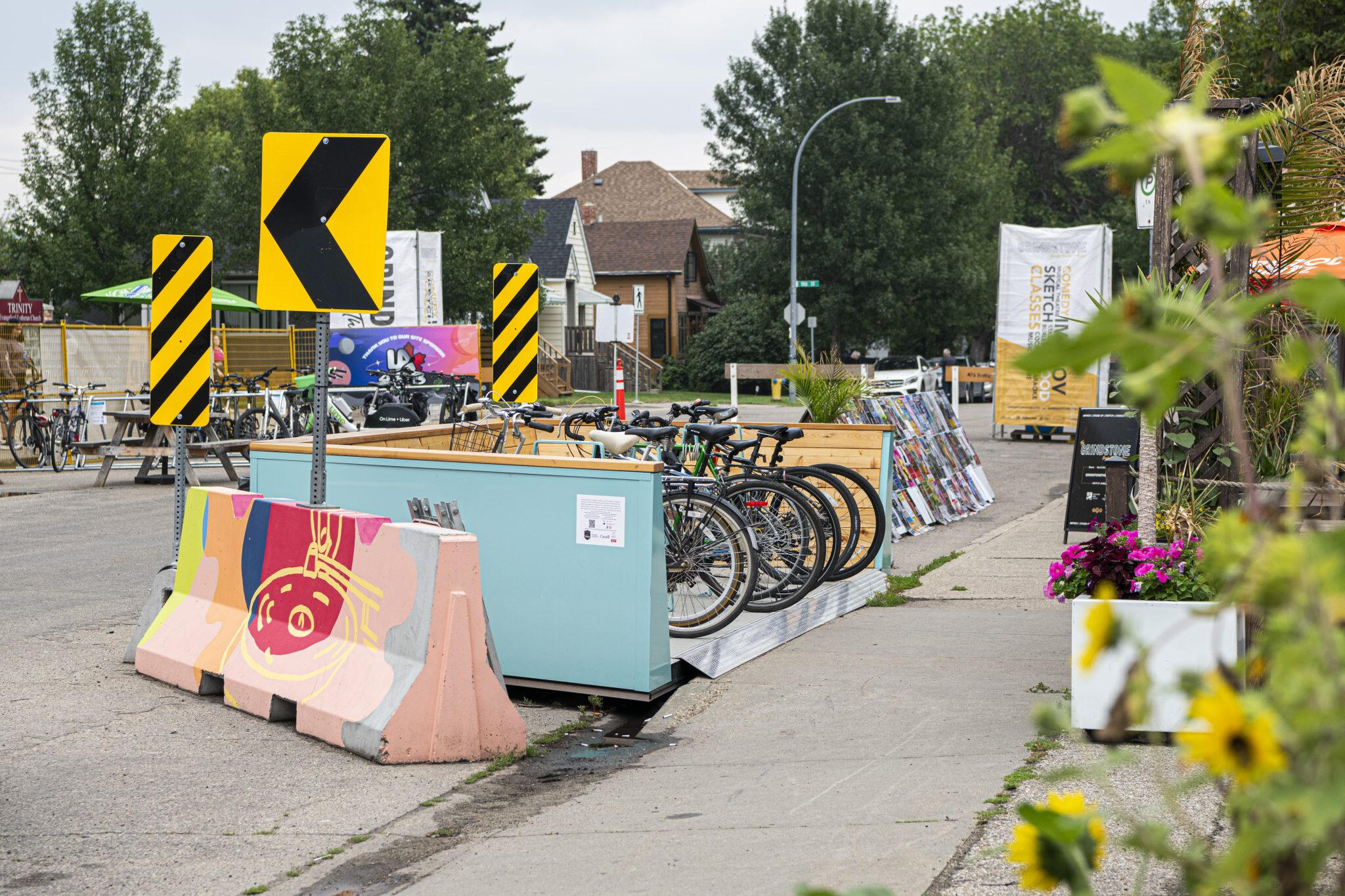
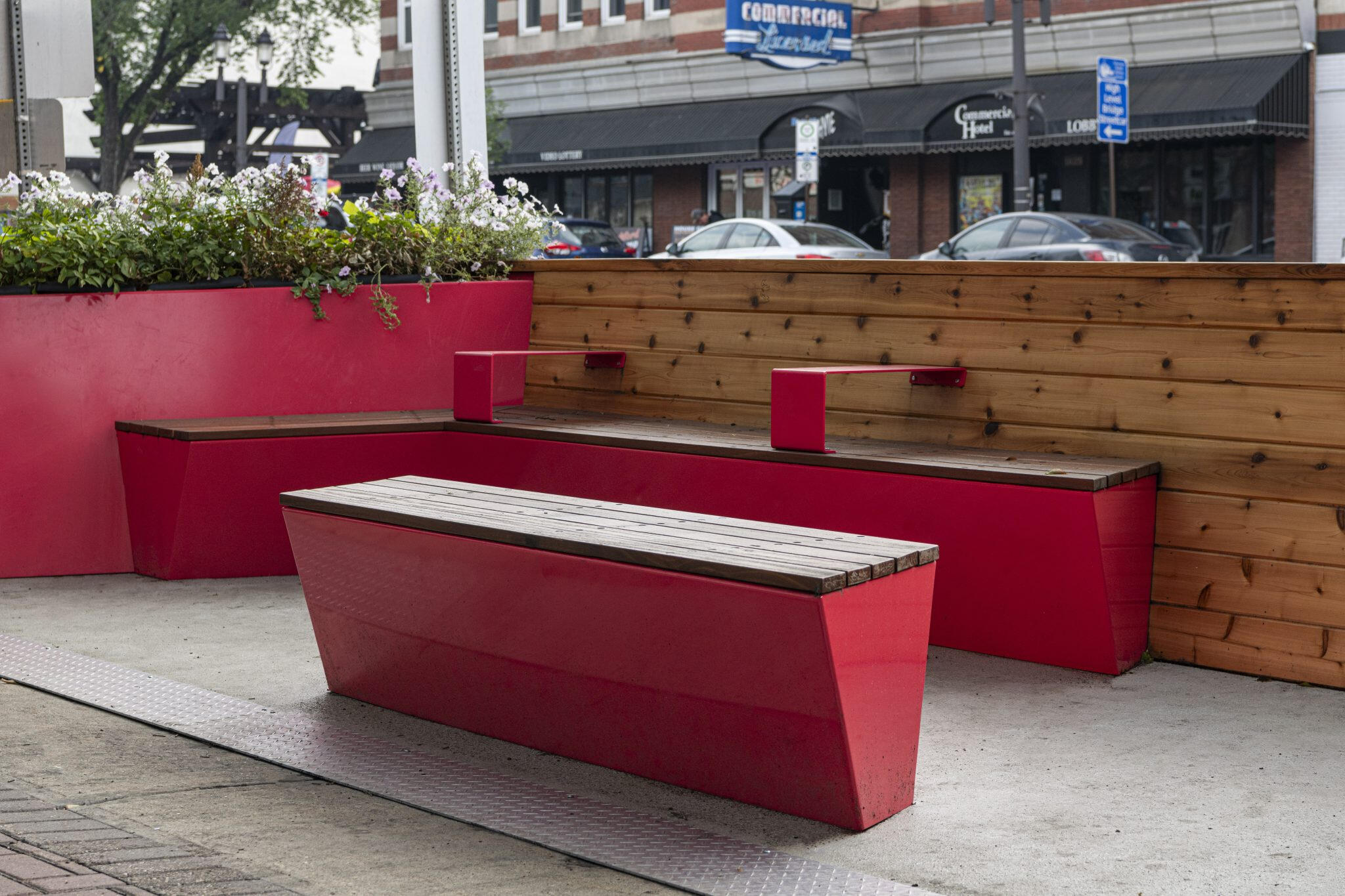
Avenue Collection
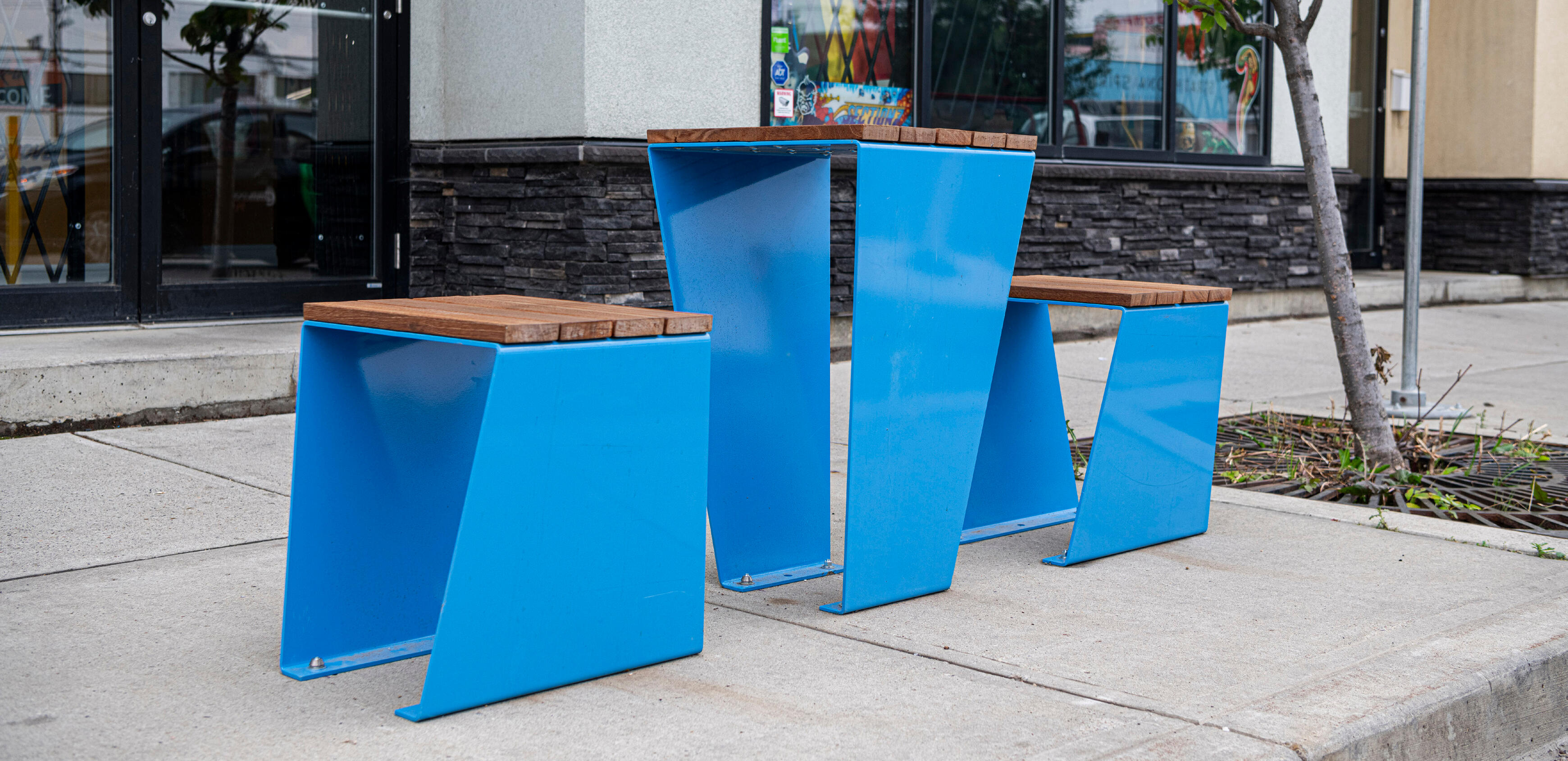
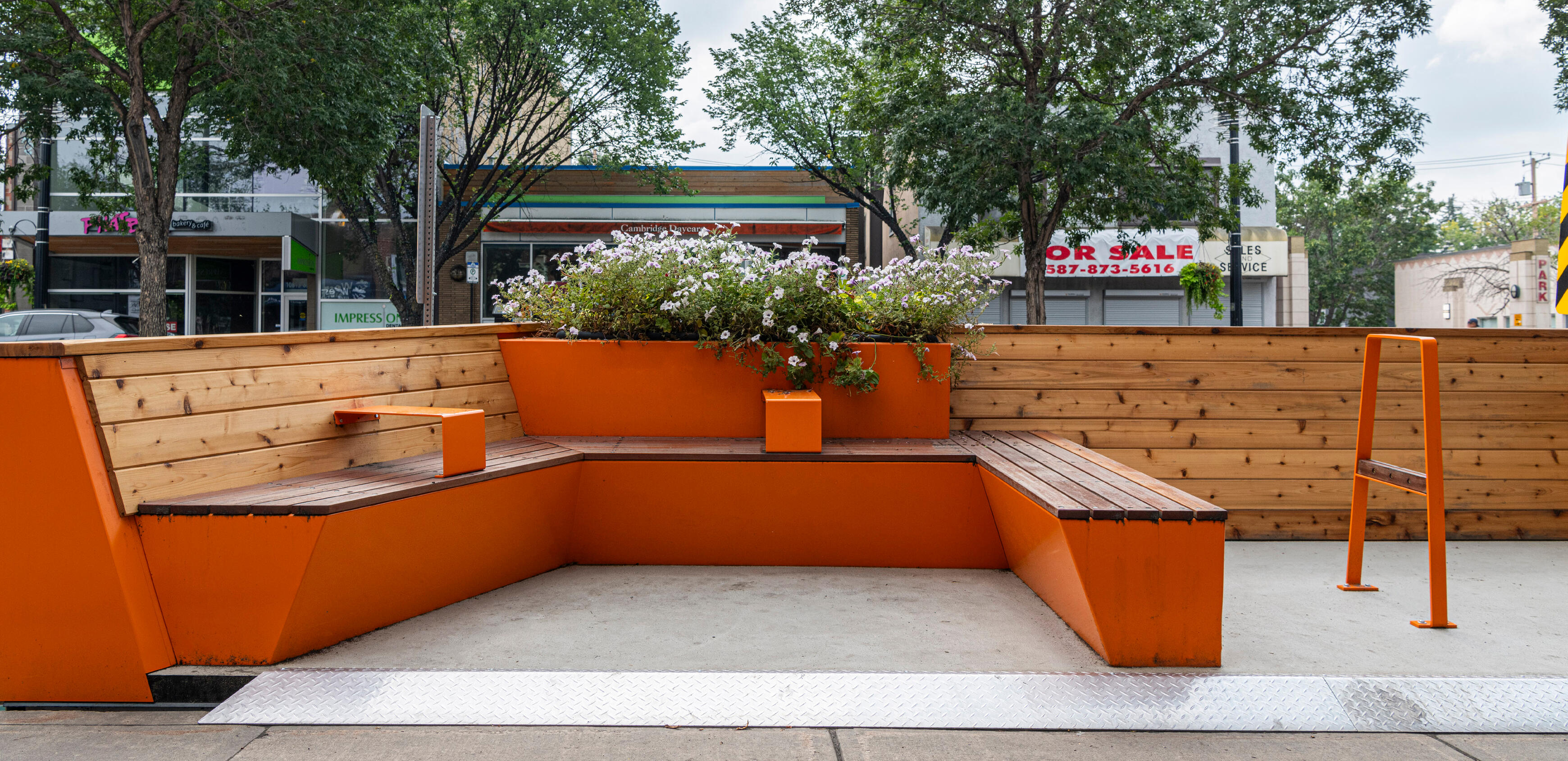
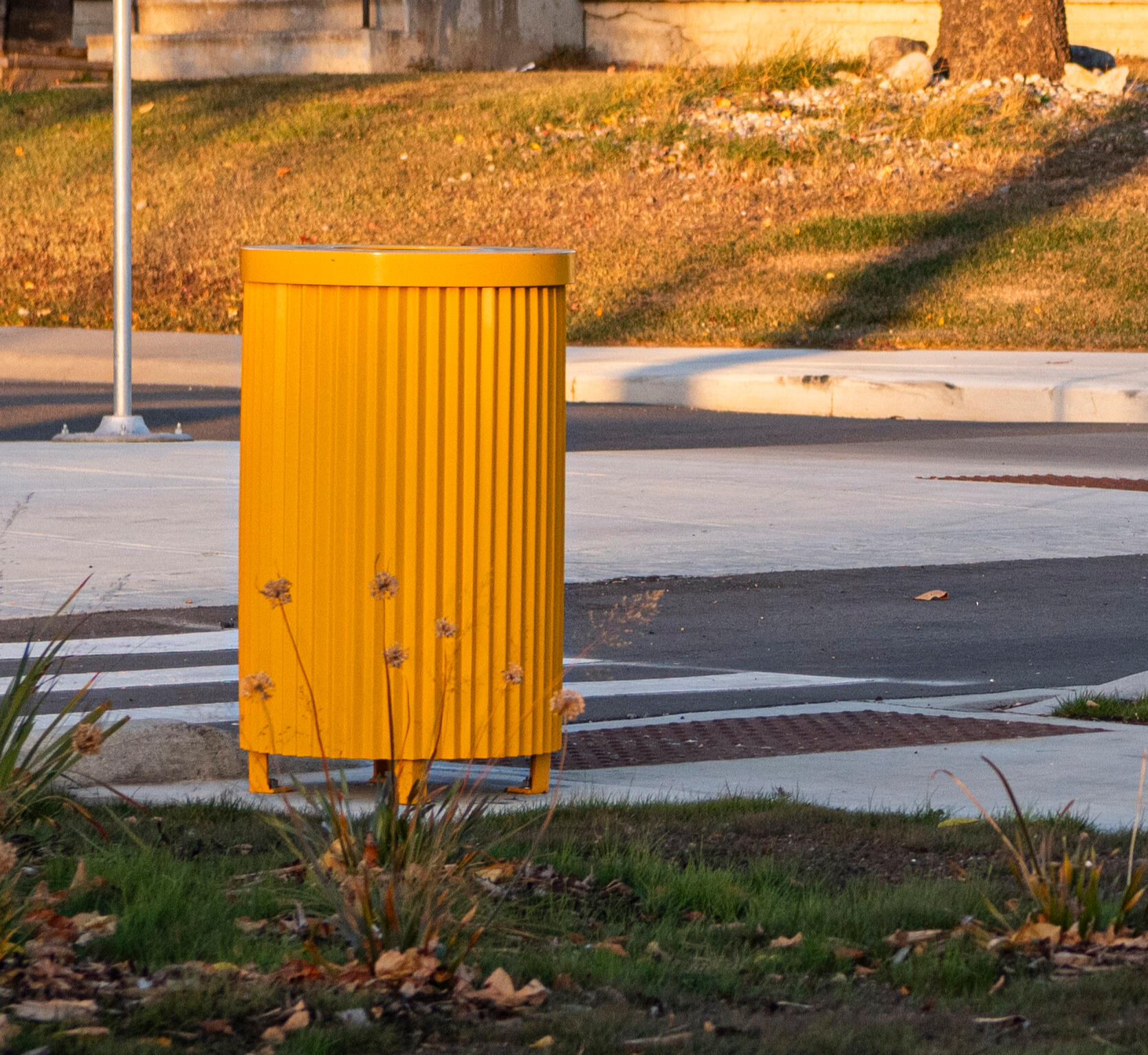
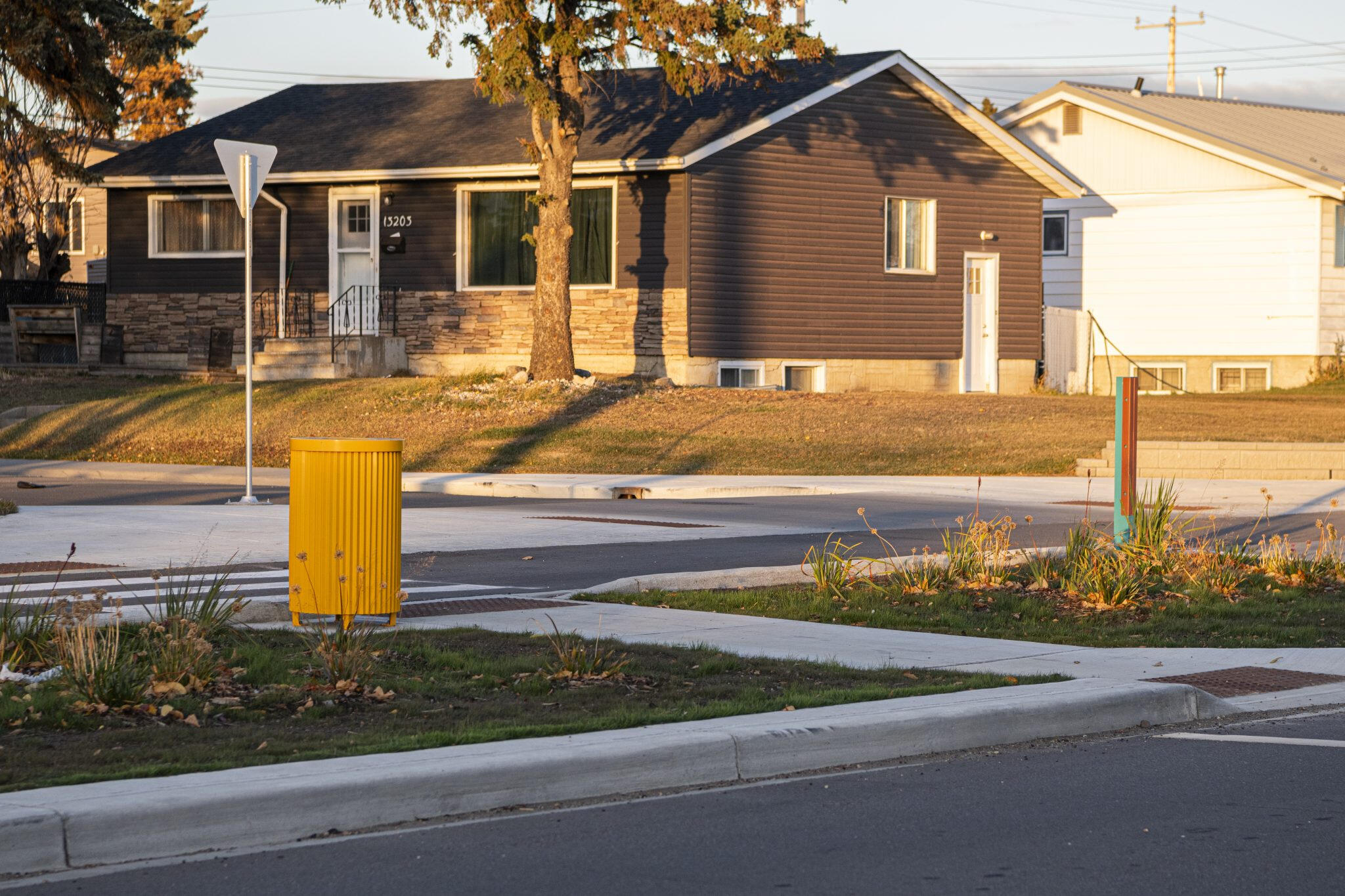
A custom site furniture collection that enhances public infrastructure while reflecting the unique character of Old Strathcona. Through public engagement and expert consultation, we determined the communities priorities and desires to create a design to capture the spirit of the neighbourhood while ensuring functionality and ergonomics. The site furniture collection has been the progression of previous street-expansion projects with the Old Strathcona Business Association, District Whyte, where we have collaborated in creating temporary site furnishings for the summer season.
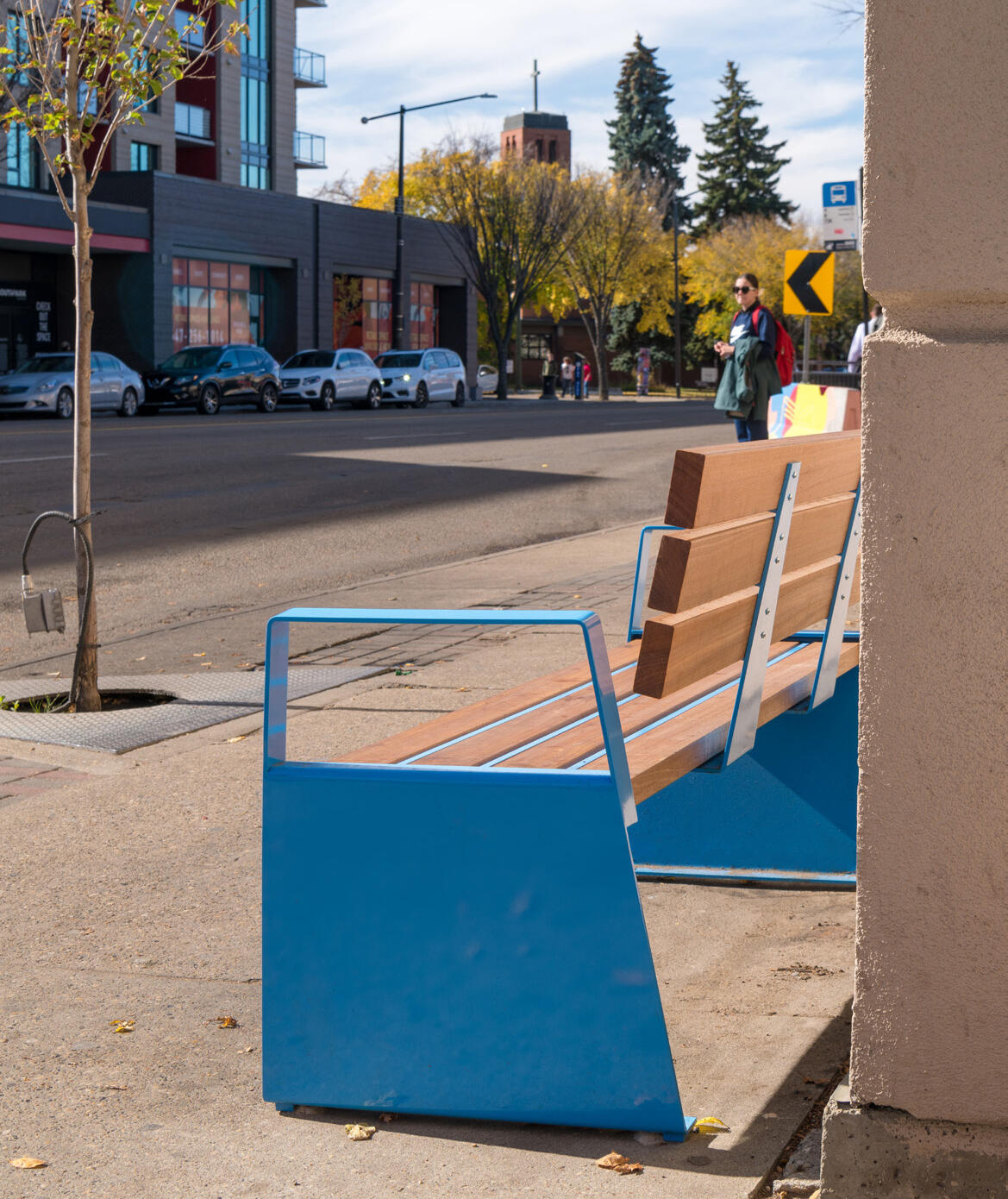
Created in partnership with Forge 53 and in collaboration with Amos Kajner-Nonnekes and Vignettes.


Helen Nolan Pavilion
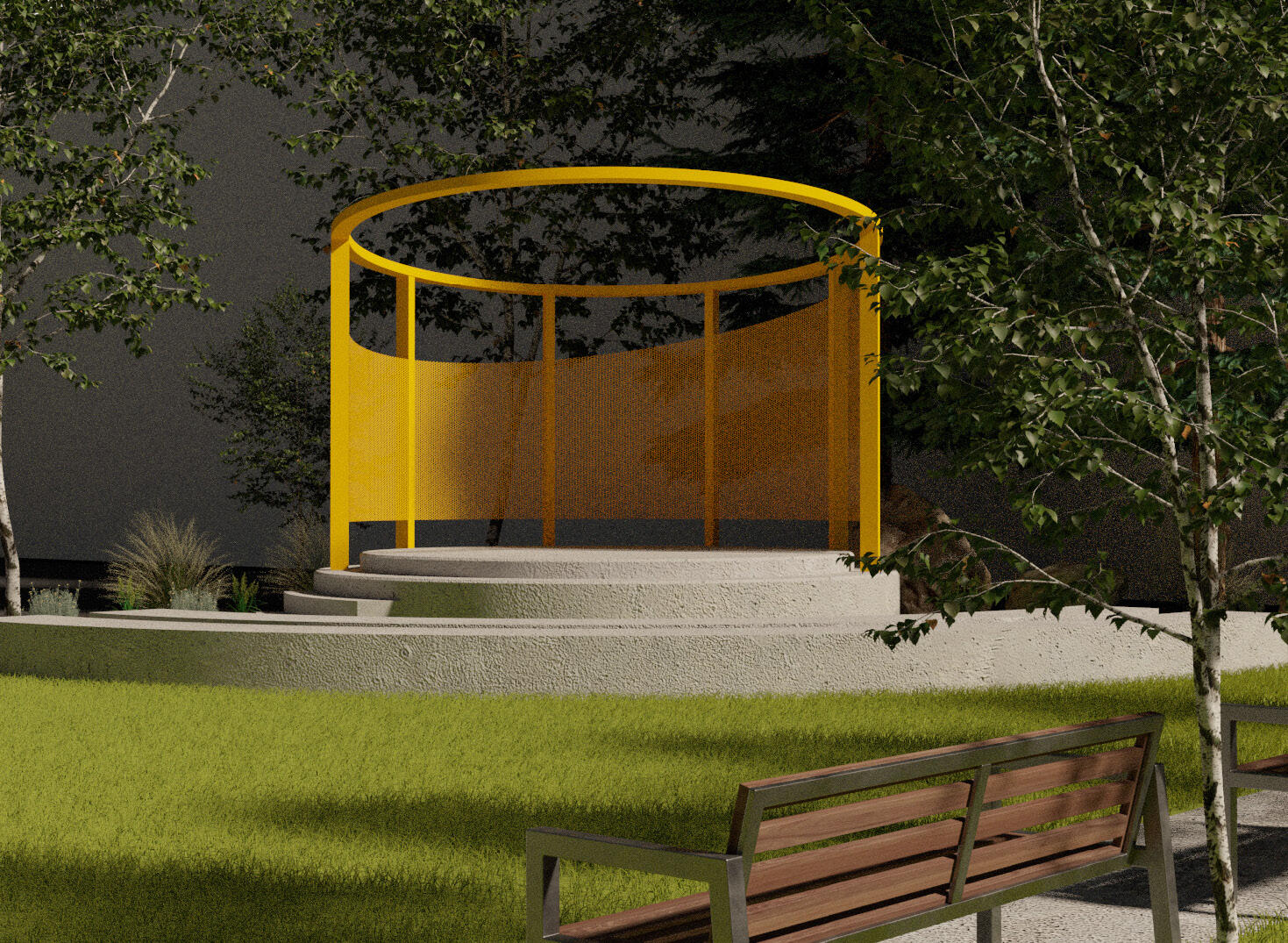
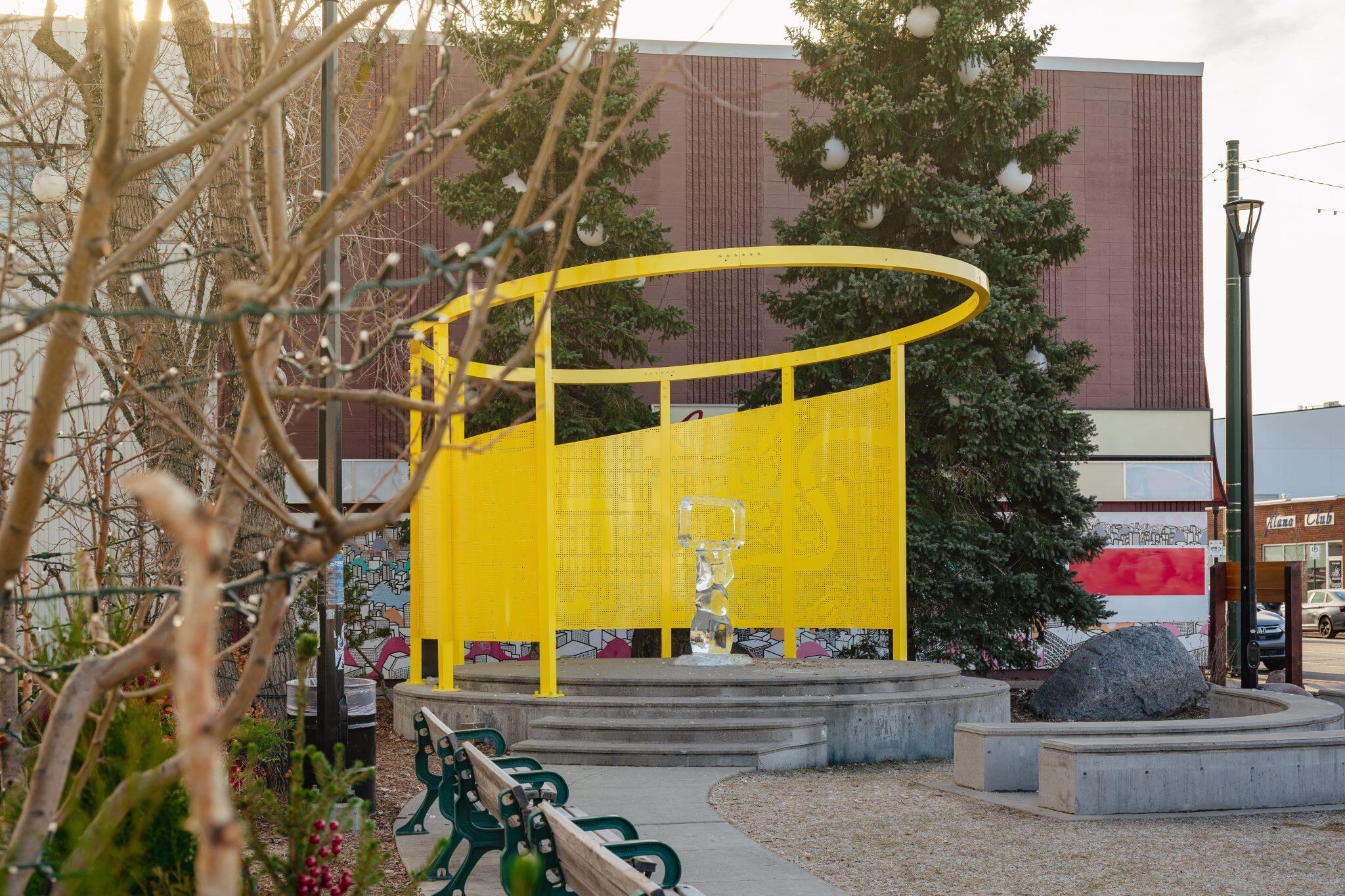
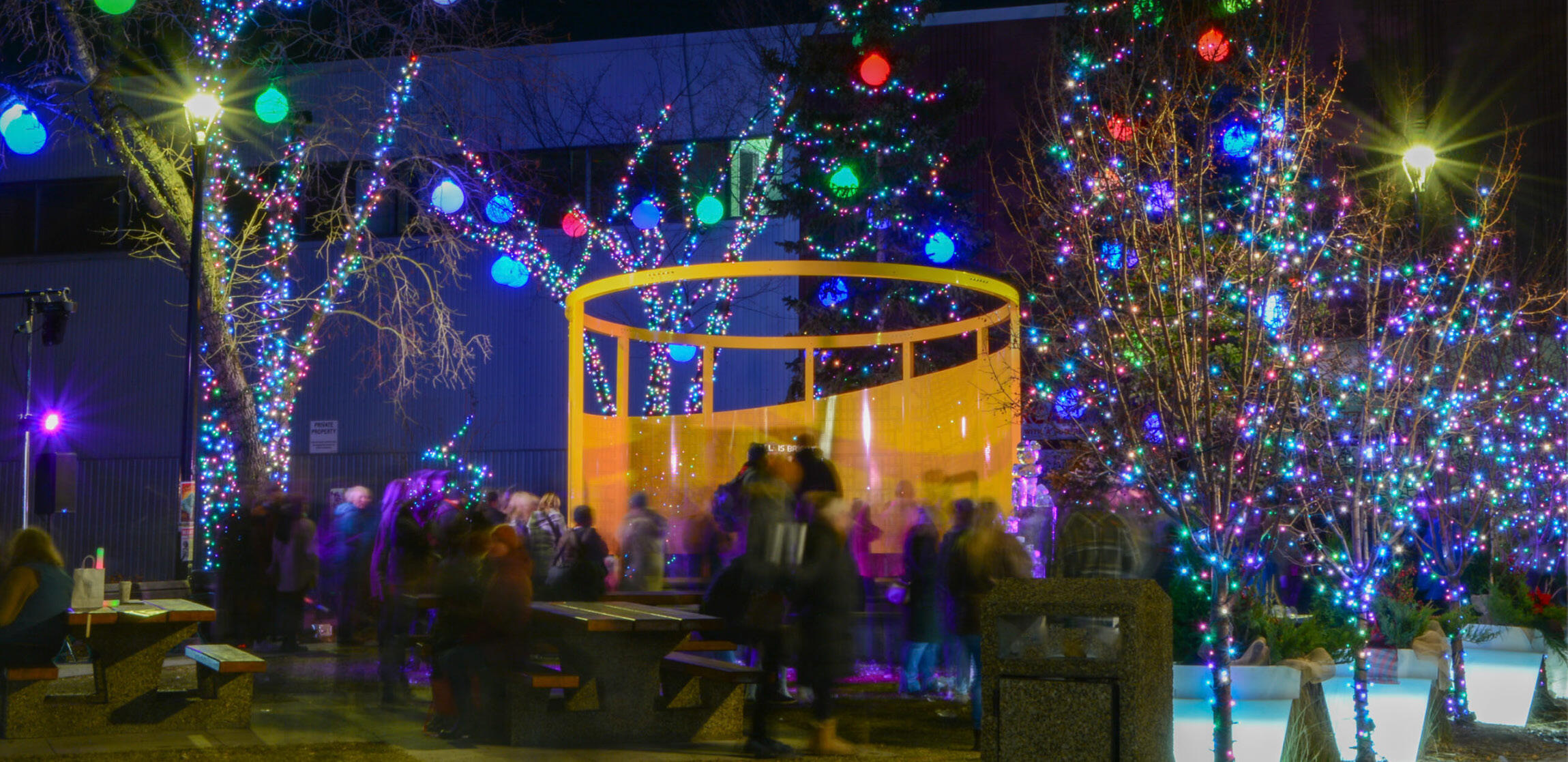
Located on 124th Street in Edmonton, the Helen Nolan Pavilion is a permanent shade structure that brings life and vibrancy to a well-loved and highly used park. Year-round, Helen Nolan Park features festivals, markets, and various performances. It utilizes perforated aluminum walls to block low, evening sun to the West and cool winds to the East. During the summer months, a shade sail is erected to protect performers from rain and heat.
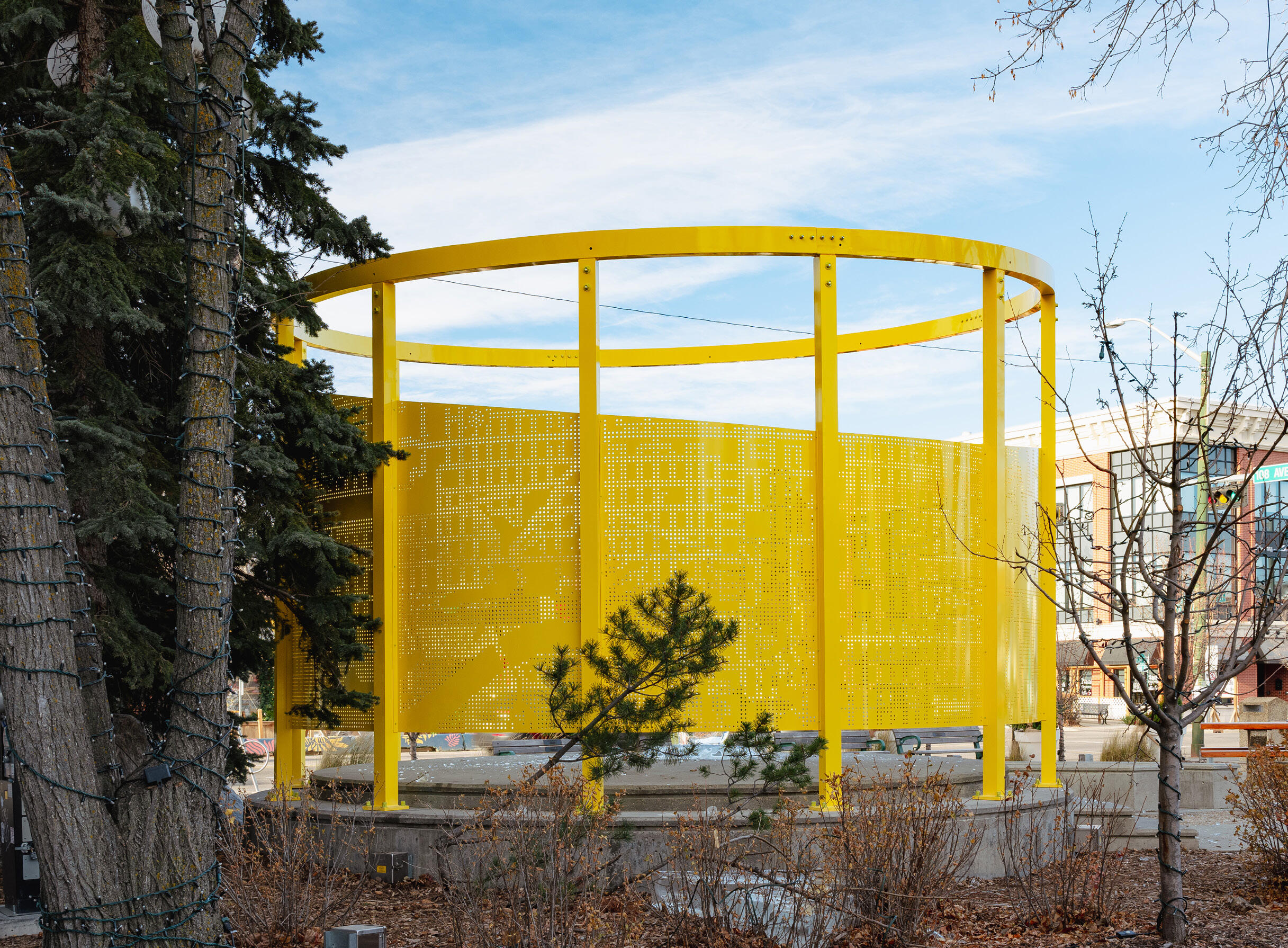
Created in collaboration with Amos Kajner-Nonnekes and vignettes. Manufactured by IMark Architectural Metals.

Mackenzie Collection
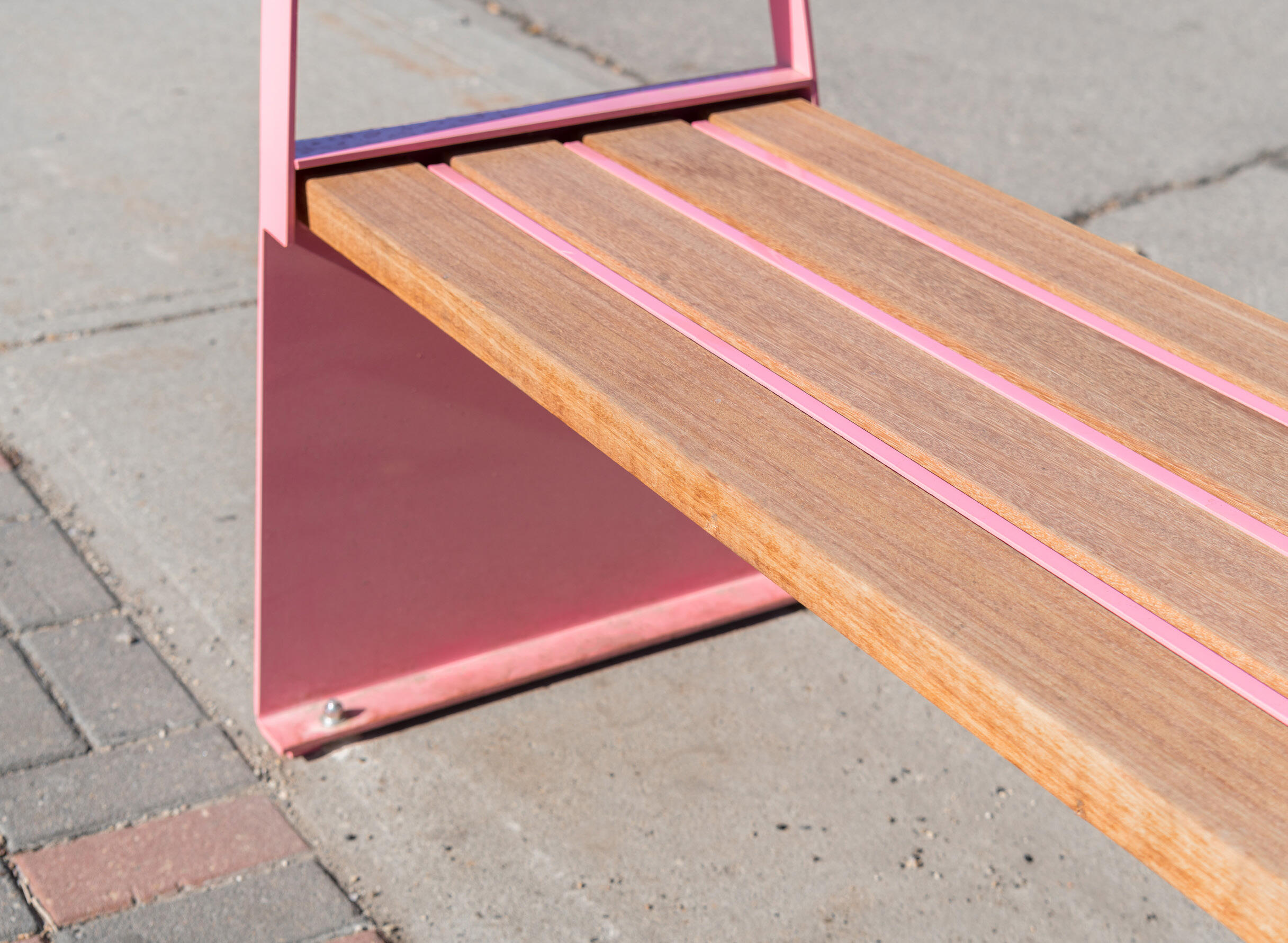
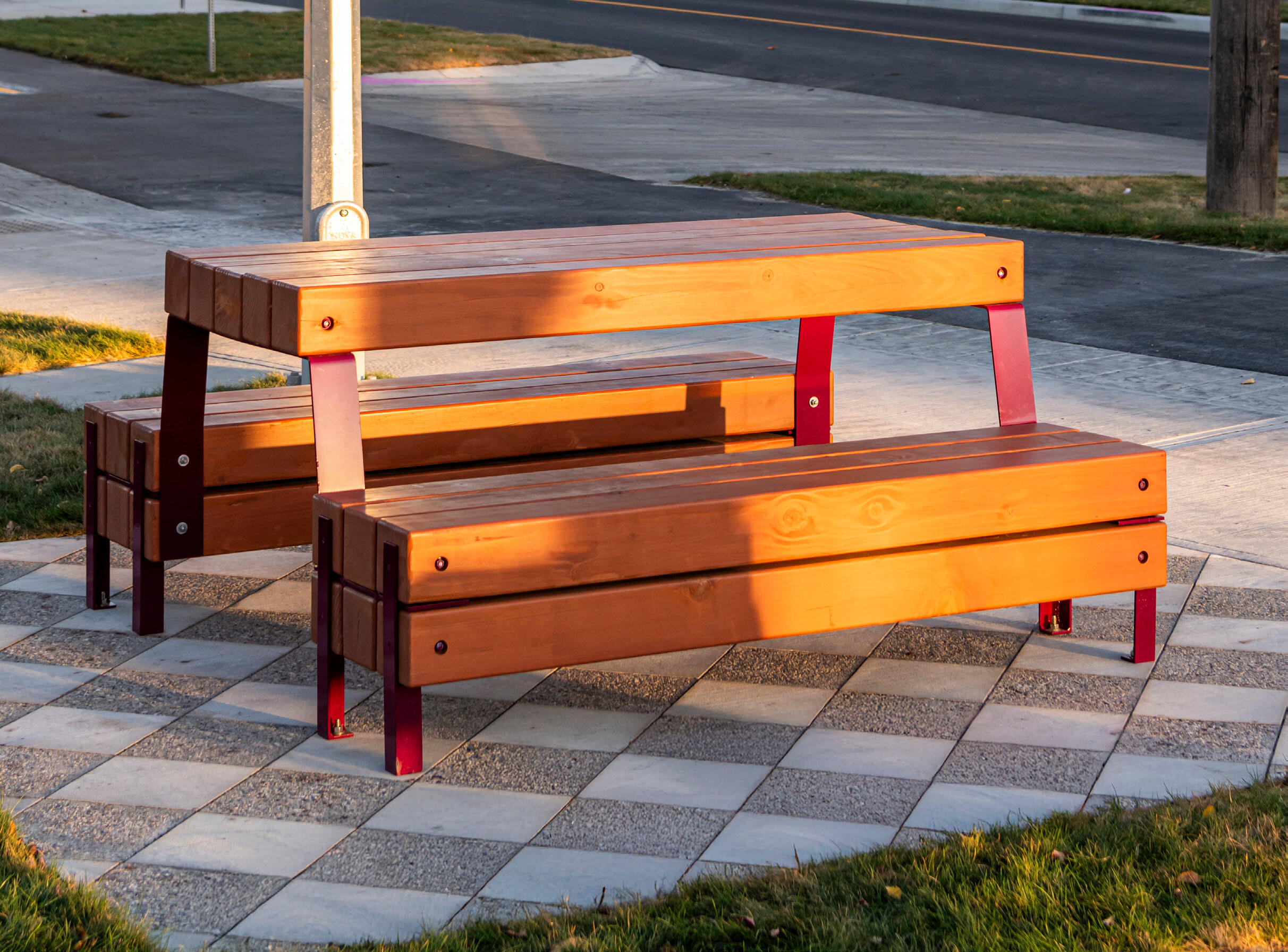
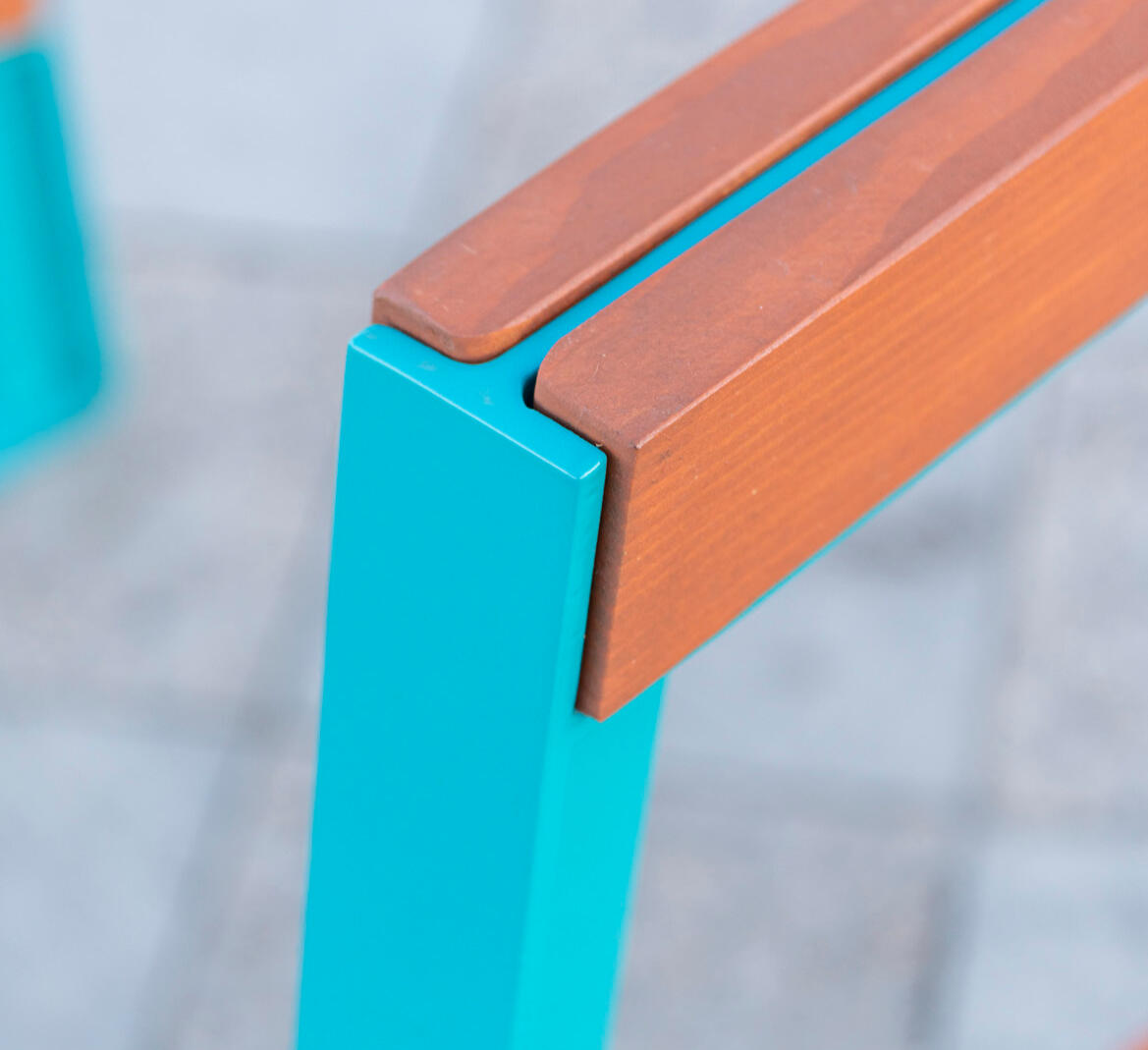
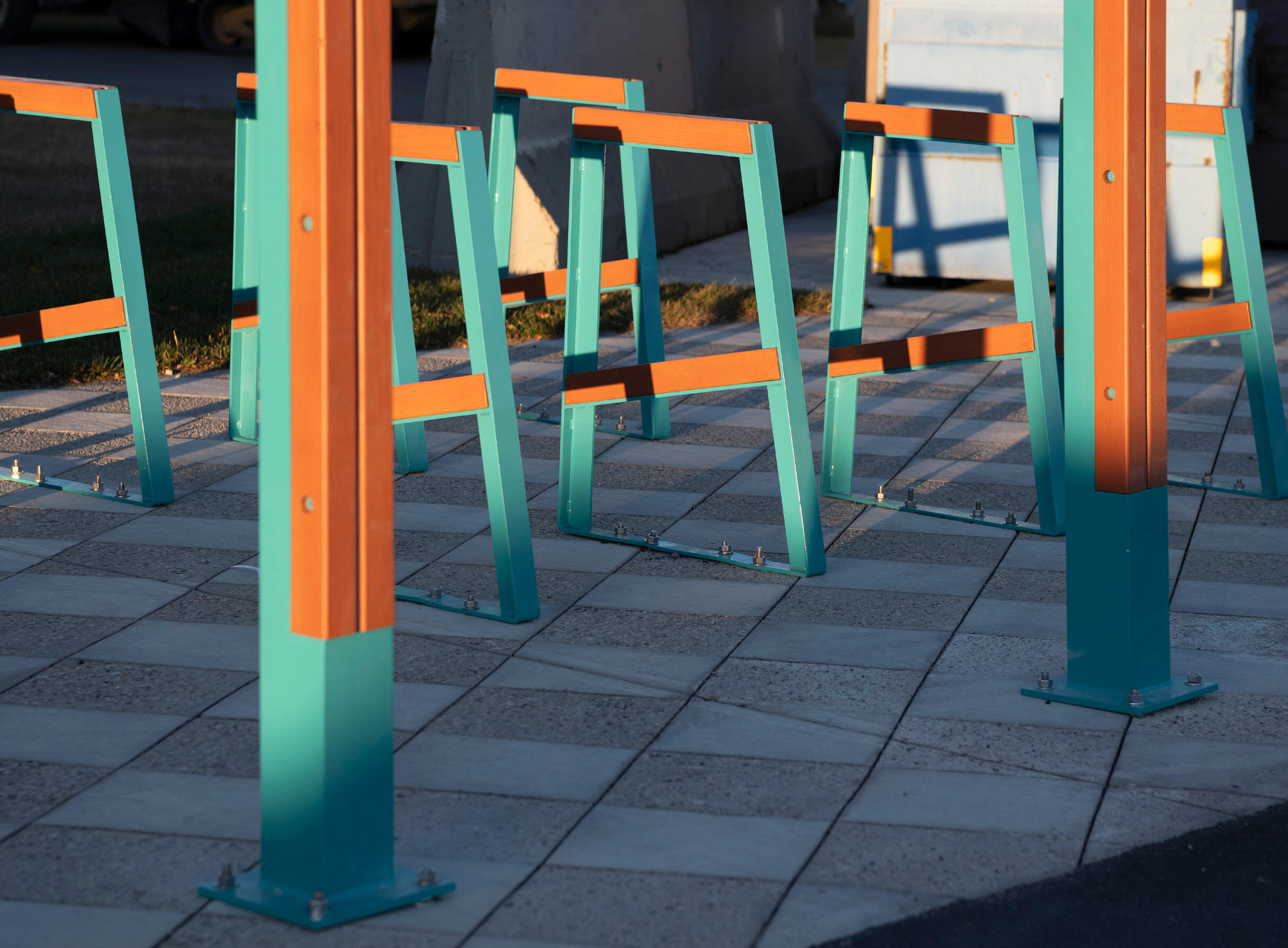
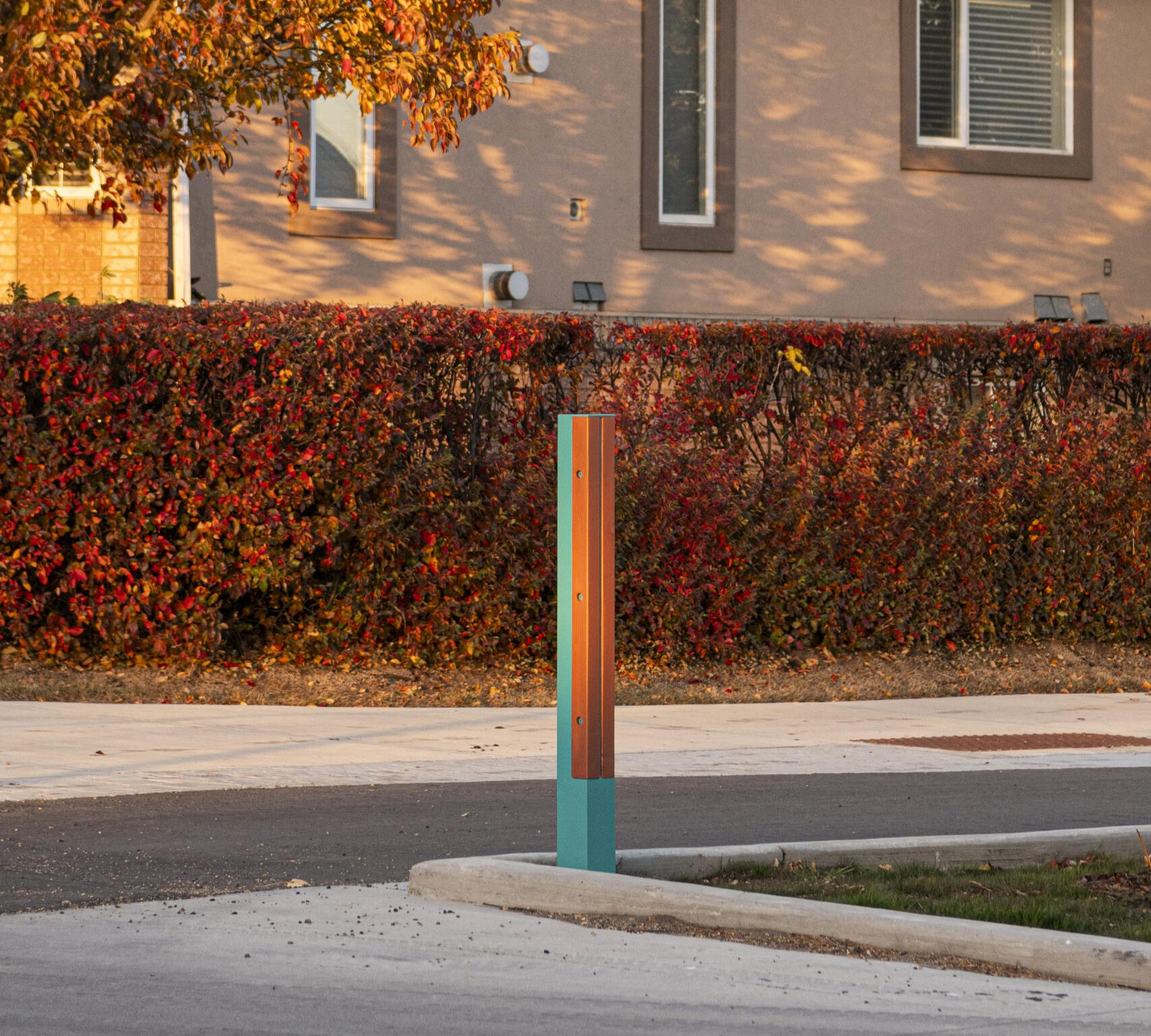
The Mackenzie Collection is inspired by the rugged beauty of Rocky Mountain forests, where towering Douglas firs and untamed wilderness embody strength and timelessness. The design features vibrant pops of color and the warm richness of wood, providing a bold yet welcoming contrast to the harsh Canadian winters. With a modular structure, the benches can be easily reconfigured to fit different landscapes and spaces, offering both flexibility and function. Made from sustainably sourced materials, this furniture line combines environmental mindfulness with contemporary, versatile design, making it an ideal addition to any outdoor setting.
Created in collaboration with Amos Kajner-Nonnekes and Vignettes. Manufactured by IMark Architectural Metals.
Industrial Design after Industrialism
Today’s climate crisis can be attributed to contemporary consumer culture, in which consumers in the Global North are consuming far beyond the planet’s spatial and temporal capacity, threatening our collective future. While the discipline of industrial design was born from industrialization and consumer culture, it will need to adapt with the ecological challenges to address the growing concerns of overconsumption. My research examines the role of the future industrial designer through a speculative design exploration within the framework of post-growth. It addresses how designers might reframe the design process to empower consumers with agency, skill, and responsibility over their objects.Through research-creation, the research investigates methods of making across artisanal, industrial, and digital processes to envision what design practices might look like in a post-growth future. It proposes a framework of shared responsibilities of care between consumers and designers to aid consumers in re-engaging with their objects to reshape their relationship with them, and ultimately their relationship with consumption. Designers then act as translators of manufacturing knowledge from the producer to consumer, rather than the modern role of a translator of desires of the consumer to the producers, to reduce overall consumption habits and prolong the life of existing objects. Through rethinking how objects are designed, made, and maintained, it positions design as a mediator in the transition toward a post-growth future.